← Back to All Products
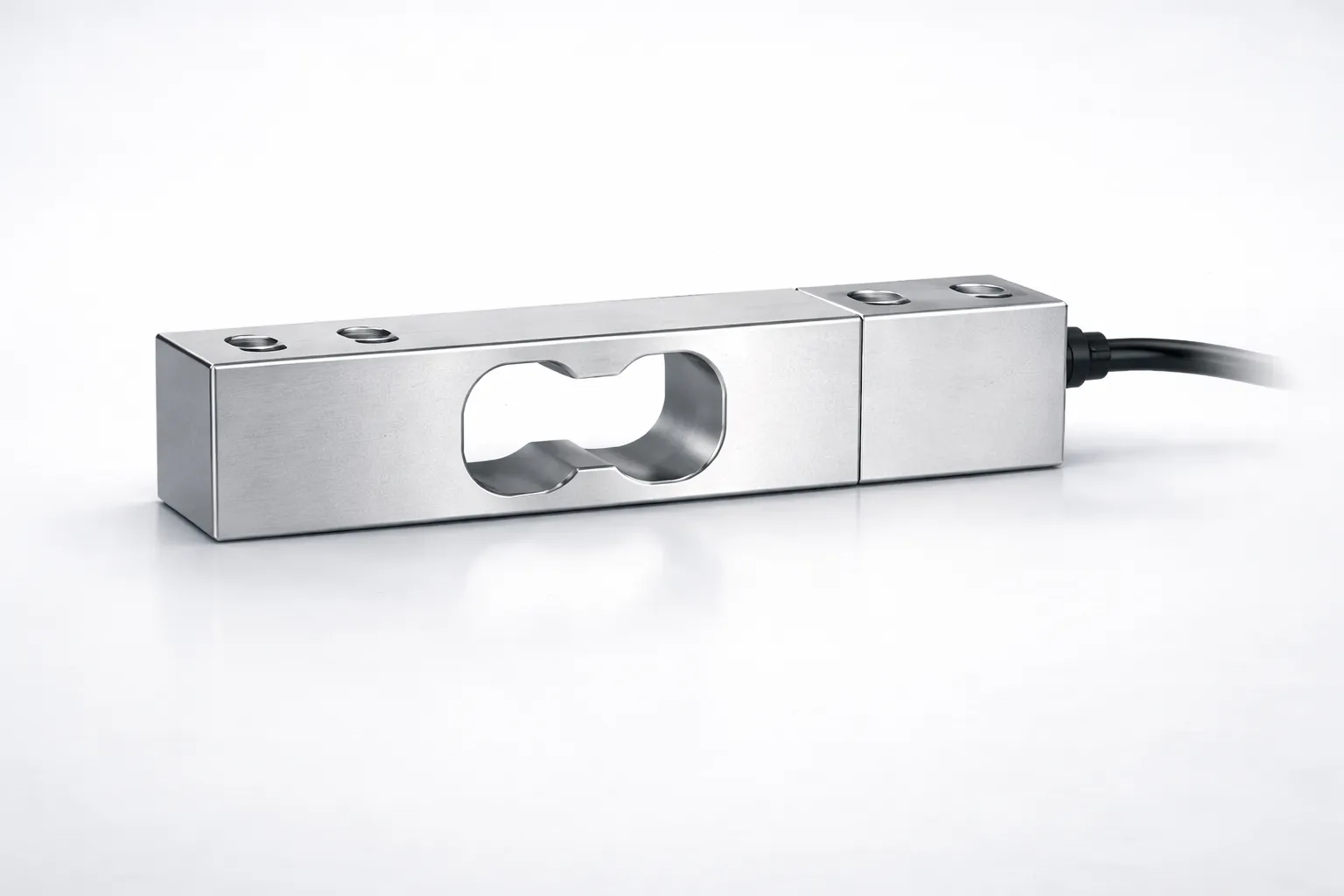
Table Top Load Cell
Precision Benchtop Measurement
Specifically designed for laboratories and pharmaceutical industries for accurate small-batch weighing.
Choosing the correct load cell type and capacity is critical for measurement accuracy. Load Cell Selection Guide
Accuracy specifications like combined error and hysteresis directly affect your measurement quality. Understanding Load Cell Accuracy
Expert Guidance
Engineering Tips & FAQs
Technical advice for standard integration and mounting.
Q: How does mounting alignment affect the accuracy of an S-Type load cell compared to a Button load cell?
S-Type load cells are primarily designed for tension and compression, requiring precise vertical alignment to avoid side-loading errors. In contrast, Button load cells (compression only) are highly sensitive to non-parallel surfaces; using a spherical loading button or a hardened surface is critical to ensure the point of contact remains centered, minimizing eccentric load errors.
Q: What causes a 'zero shift' in shear beam load cells after a long period of industrial use?
A permanent zero shift often indicates that the sensor has been subjected to a load exceeding its safe overload limit (typically 150% of capacity), leading to plastic deformation of the strain gauge or the spring element. In washdown environments, it could also signal moisture ingress through a degraded cable seal.
Q: Can a heavy-capacity crane scale be used for high-precision low-weight measurements?
It is not recommended. Most load cells are calibrated to meet their accuracy specifications between 10% and 100% of their rated capacity. Below 10%, the signal-to-noise ratio drops significantly, and environmental factors can introduce errors that exceed the weight of the item being measured.
Ready to Work Together?
Let's discuss how our precision engineering solutions can meet your requirements.
Contact Us Today