Indian vs Imported Load Cells
An honest comparison of Indian-manufactured load cells versus imported alternatives — covering cost, quality, delivery, customization, and after-sales support from the perspective of Indian industrial buyers.
Side-by-Side Comparison
| Factor | Indian Manufactured | Imported |
|---|---|---|
| Unit Cost | 30-50% lower for equivalent specs | Higher due to import duties, shipping, forex |
| Delivery Time | 1-3 weeks (standard), 3-5 weeks (custom) | 6-12 weeks + customs clearance |
| Customization | Direct access to engineering team, MOQ as low as 1 | High MOQ for custom, limited flexibility |
| After-Sales Support | Local service, same-day engineering calls | Remote support across time zones |
| Replacement Parts | Same-week dispatch | 4-8 weeks lead time |
| Calibration | In-house recalibration with same manufacturer | Often requires shipping back overseas |
| Quality Standards | ISO 9001, NABL traceable, BIS certified | CE, ISO 17025, OIML R 60 |
| Technical Specs | Matched performance for industrial applications | May offer wider specialty range |
The Cost Advantage of Indian Manufacturing
Indian load cell manufacturers offer a significant cost advantage of 30-50% compared to equivalent European, American, or Japanese sensors. This isn't due to lower quality — it's driven by:
• Lower labor and overhead costs for precision machining and assembly • No import duty (imported sensors attract 15-28% customs + GST) • No shipping costs from overseas (important for heavy, fragile instruments) • No forex risk — pricing in INR eliminates currency fluctuation
At JRAGRAU, we use the same grade of strain gauges, alloy steels, and manufacturing processes as international manufacturers, but our location in India's industrial heartland (Bahadurgarh, Haryana) keeps costs genuinely lower.
Quality Parity with International Standards
The perception that imported = better quality is outdated. Leading Indian manufacturers like JRAGRAU now match international specifications:
• Same strain gauge technology — We use foil strain gauges from globally recognized suppliers • CNC-machined spring elements on high-precision machines with micron-level tolerances • Individual calibration of every unit against traceable reference standards • Environmental testing for temperature, humidity, and IP ingress
Our load cells meet ±0.02% to ±0.1% FSO combined error specifications — the same range offered by leading international brands.
The key difference is not in the sensor quality, but in application engineering support. Indian manufacturers can provide on-site support, factory visits, and rapid iteration that overseas suppliers cannot.
When Importing Still Makes Sense
There are valid reasons to import load cells in specific scenarios:
• Ultra-speciality sensors not manufactured in India (e.g., cryogenic, radiation-hardened) • OEM lock-in where your customer or machine design specifies a particular brand • Extreme precision requirements beyond ±0.01% FSO (national metrology lab grade) • Specific certifications required by export markets (OIML R60 Type Approval for specific regions)
For 95% of Indian industrial applications — testing machines, production weighing, quality control, calibration labs — Indian-manufactured sensors deliver equivalent performance at significantly lower total cost of ownership.
Switch to JRAGRAU?
Get an equivalent Indian-manufactured load cell at 30-50% lower cost with faster delivery and direct engineering support. Send us your current sensor specifications.
Frequently Asked Questions
Load Cells by JRAGRAU
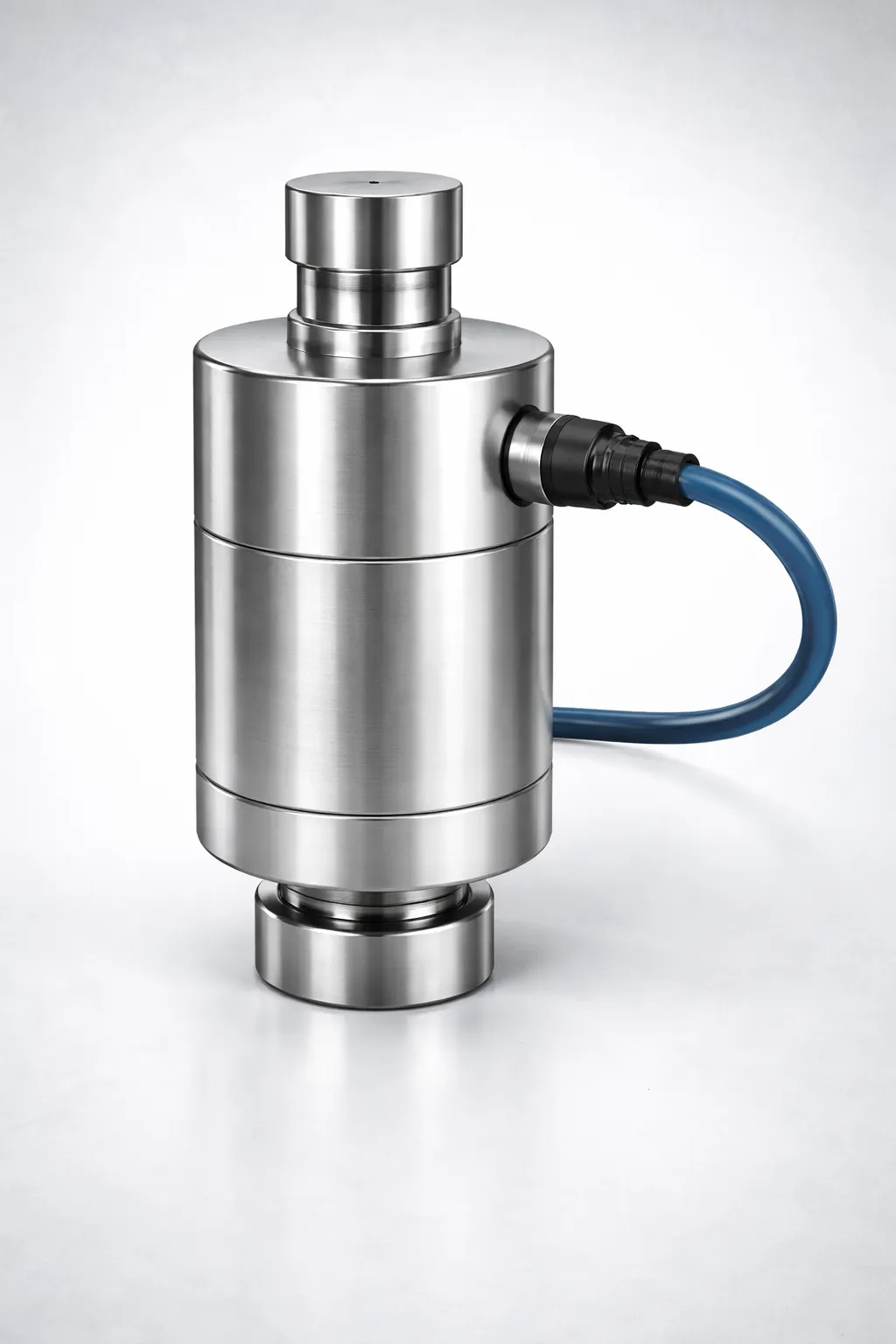
Compression Load Cell
High-Capacity Multi-Range Compression Sensor
View Details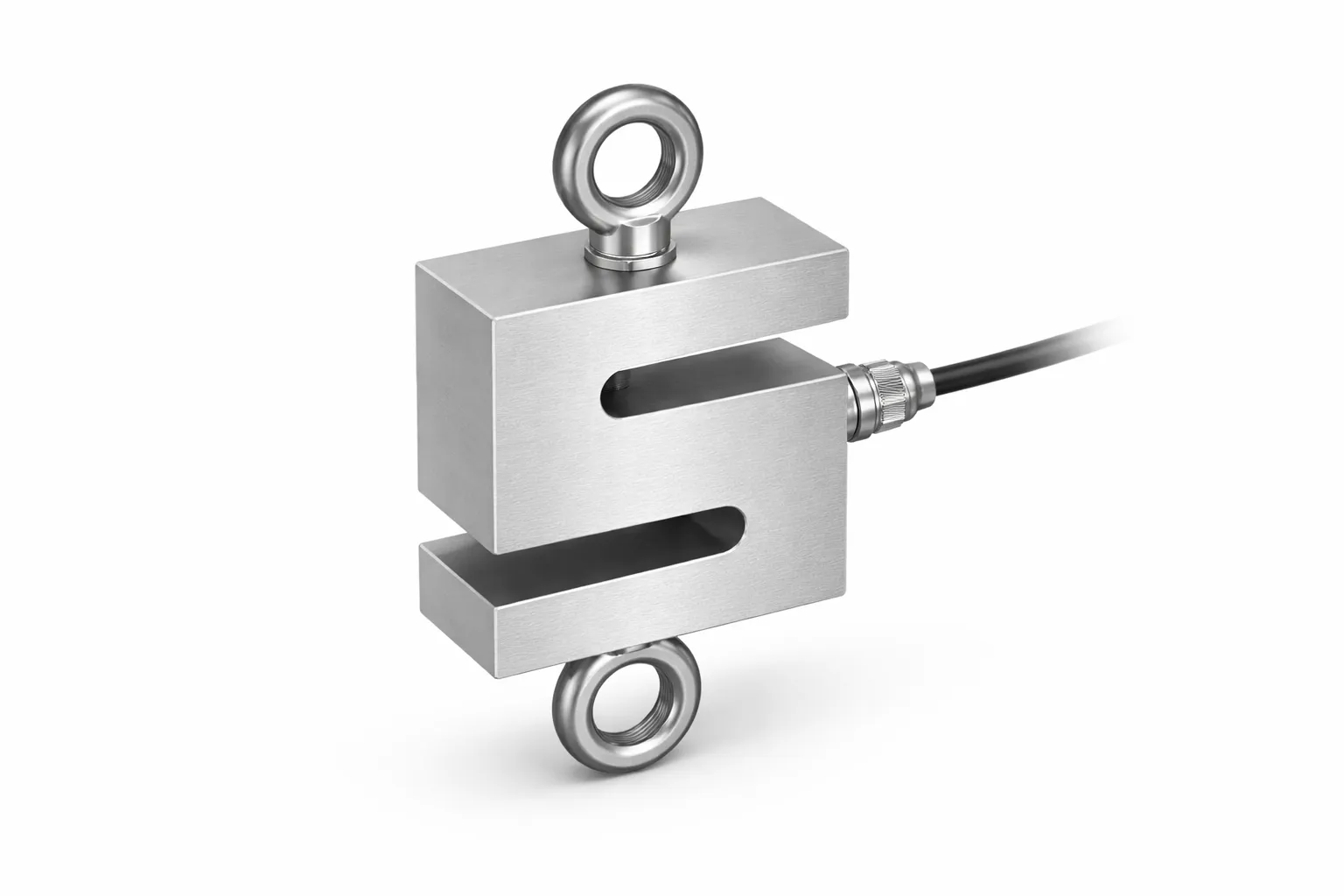
S-Type Load Cell
Versatile Universal Loading Solution
View Details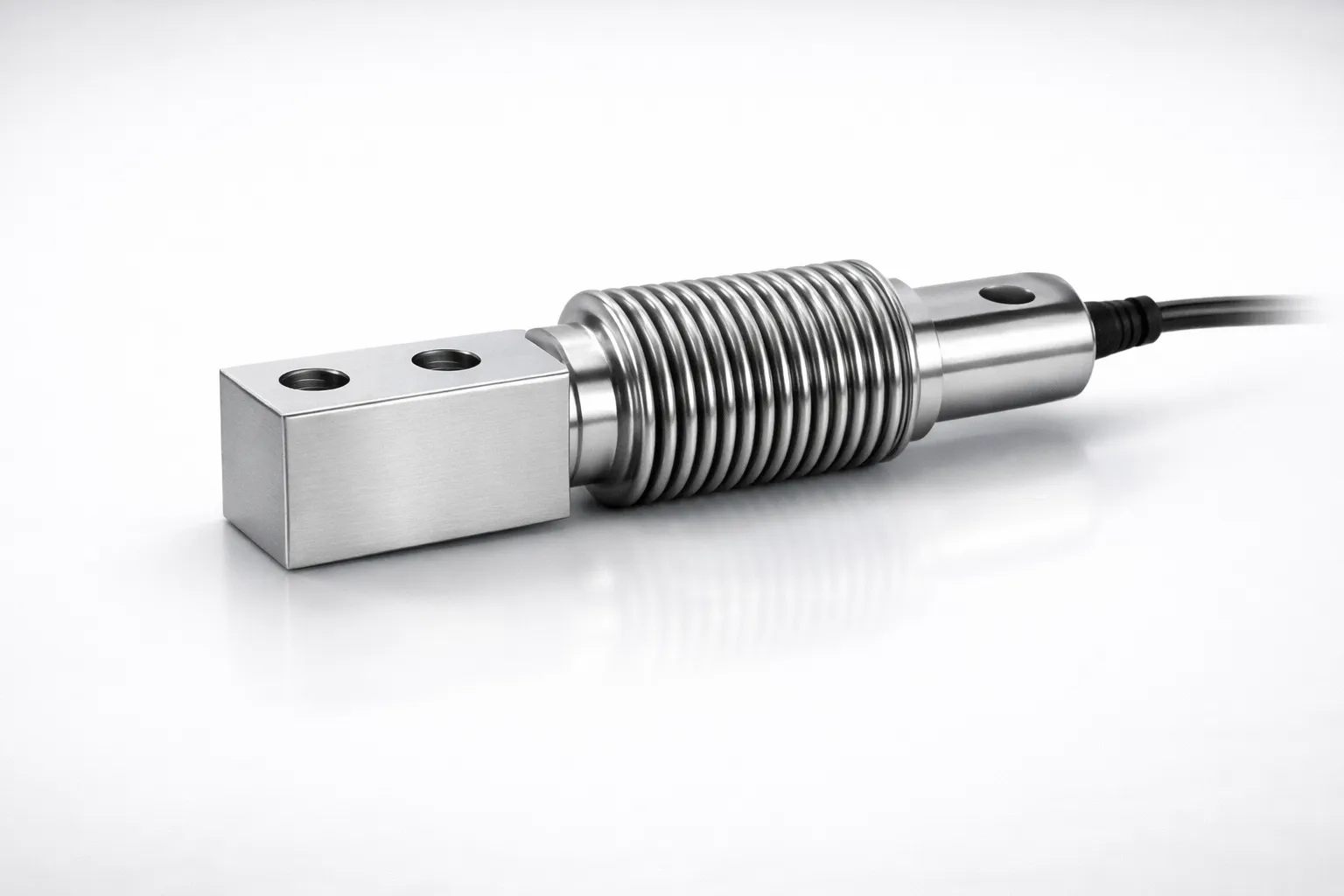
Bending Beam Load Cell
Rugged Construction Strain Gauge Based High Accuracy Bending Beam Load Cell
View Details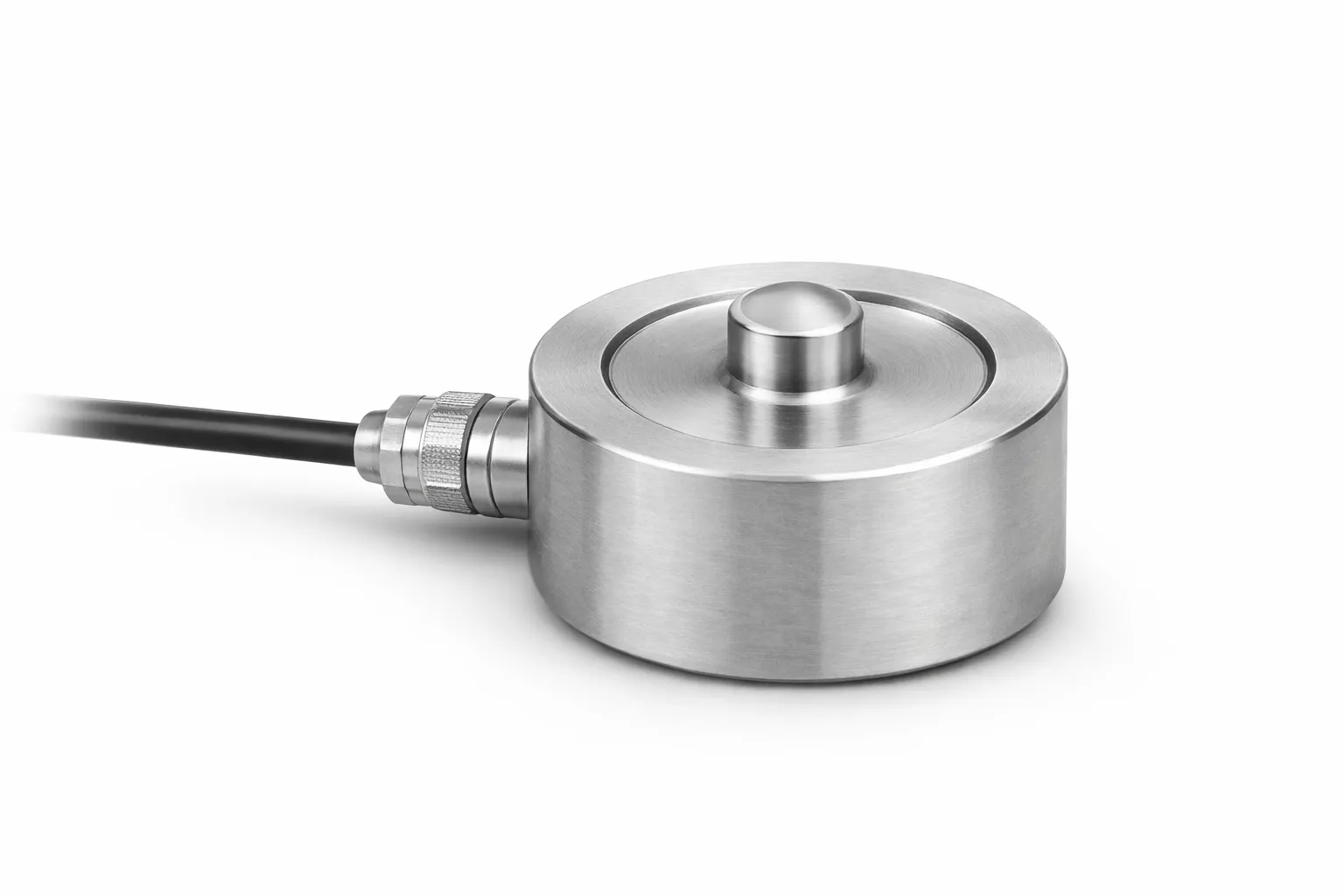
Button Load Cell
Compact High-Precision Compression Load Cell
View Details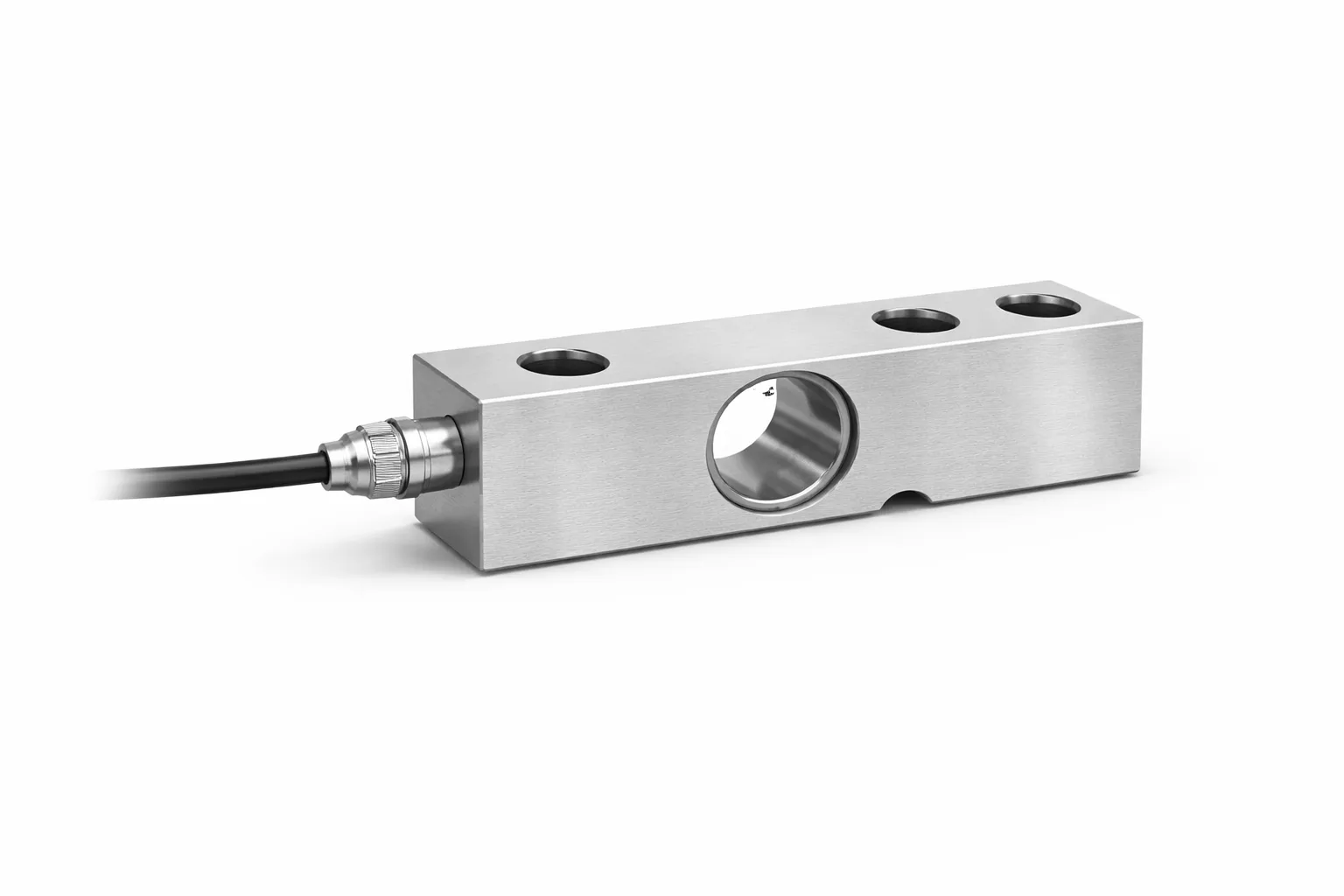
Single Ended Shear Beam Load Cell
Industrial Weighing & Platform Scales
View DetailsReady to Work Together?
Let's discuss how our precision engineering solutions can meet your requirements.
Contact Us Today