Shear Beam vs Compression Load Cells
A detailed, side-by-side comparison of shear beam and compression load cells to help you select the right type for your weighing or force measurement application.
Side-by-Side Comparison
| Feature | Shear Beam | Compression |
|---|---|---|
| Primary Application | Platform scales, floor scales, tank weighing | Heavy-capacity weighing, silo monitoring, material testing |
| Capacity Range | 50 kg to 5 tons | 1 kN to 2000 kN (up to 200 tons) |
| Loading Direction | Off-center loads tolerated | Strictly axial (centered) loading required |
| Mounting | Simple bolt-on, cantilevered | Requires flat, rigid base plate + loading accessories |
| Accuracy | ±0.02% to ±0.05% FSO | ±0.05% to ±0.1% FSO |
| Side Load Sensitivity | Low (mechanically filtered) | High (must use self-aligning accessories) |
| Cost | Lower cost per point | Higher cost but higher capacity |
| Multiple Sensor Systems | 4-corner platform scales | Column-style multi-point silo/vessel weighing |
When to Choose Shear Beam
Shear beam load cells are the most widely used type in commercial and industrial weighing. Their primary advantage is tolerance to off-center loading — the shear-stress sensing principle inherently rejects bending moments caused by loads not perfectly centered.
Choose shear beam when: • Building platform scales, pallet scales, or floor scales • Your application involves 4-corner weighing with summing junction • Off-center loading is unavoidable (e.g., forklifts placing loads) • Moderate capacities (50 kg to 5 tons per point) • Cost per weighing point is a consideration
JRAGRAU single-ended shear beam load cells feature IP67 protection and stainless steel construction options for food and washdown environments.
When to Choose Compression
Compression load cells excel in high-capacity applications where the load path is well-defined and vertical. They offer very high stiffness (minimal deflection under load) making them ideal for rigid structures.
Choose compression when: • Your application requires capacities above 5 tons • Load is applied vertically through a well-defined load path (silo legs, press frames) • You need very low deflection under load • Material testing machines requiring high force (tension via pull-rod, compression directly) • The loading surface can be made flat and rigid
Always use self-aligning loading accessories (spherical seats) with compression load cells to compensate for any surface irregularity.
Not Sure Which Type You Need?
Our engineers can assess your application and recommend the optimal load cell type, capacity, and protection class.
Frequently Asked Questions
Related Products
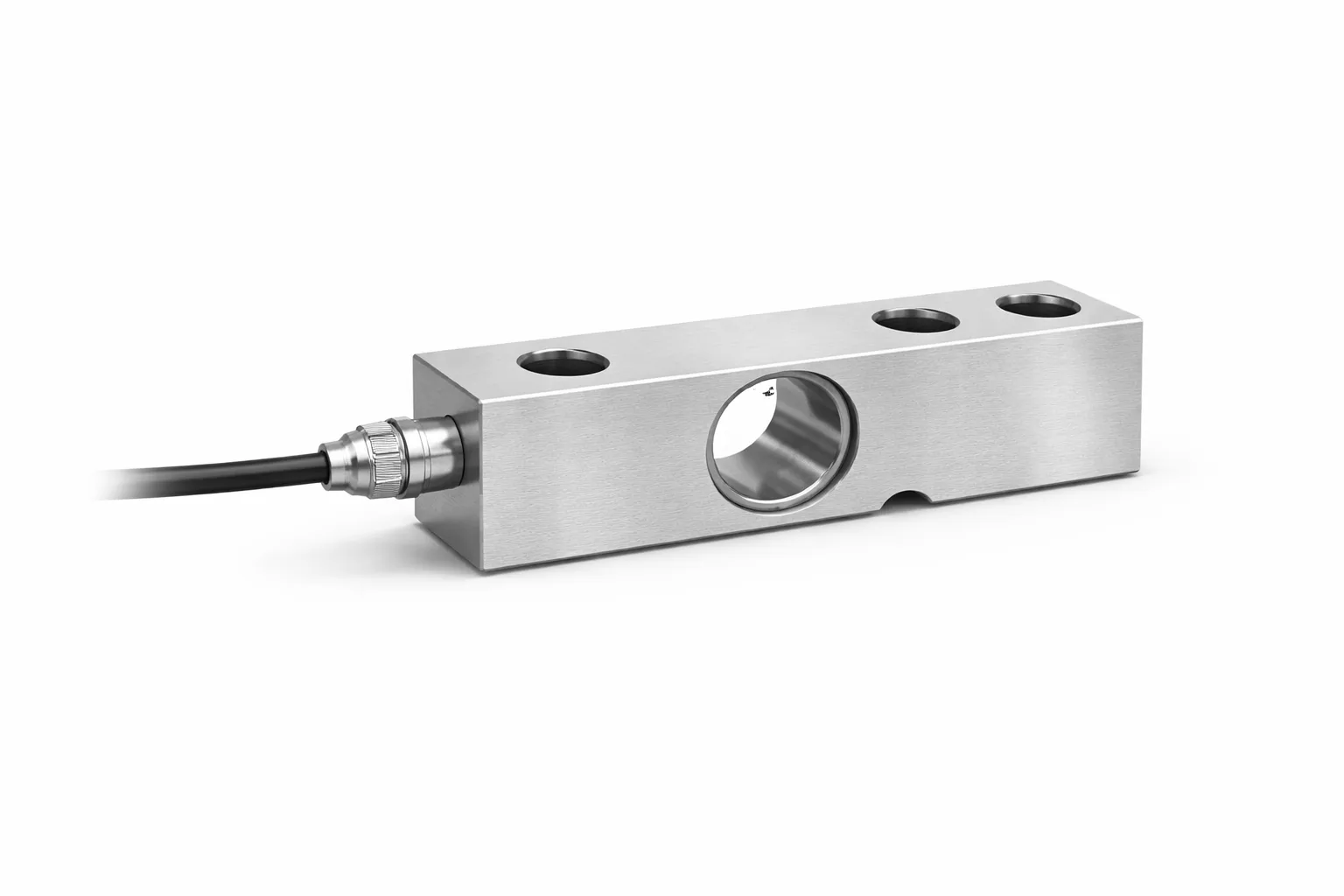
Single Ended Shear Beam Load Cell
Industrial Weighing & Platform Scales
View Details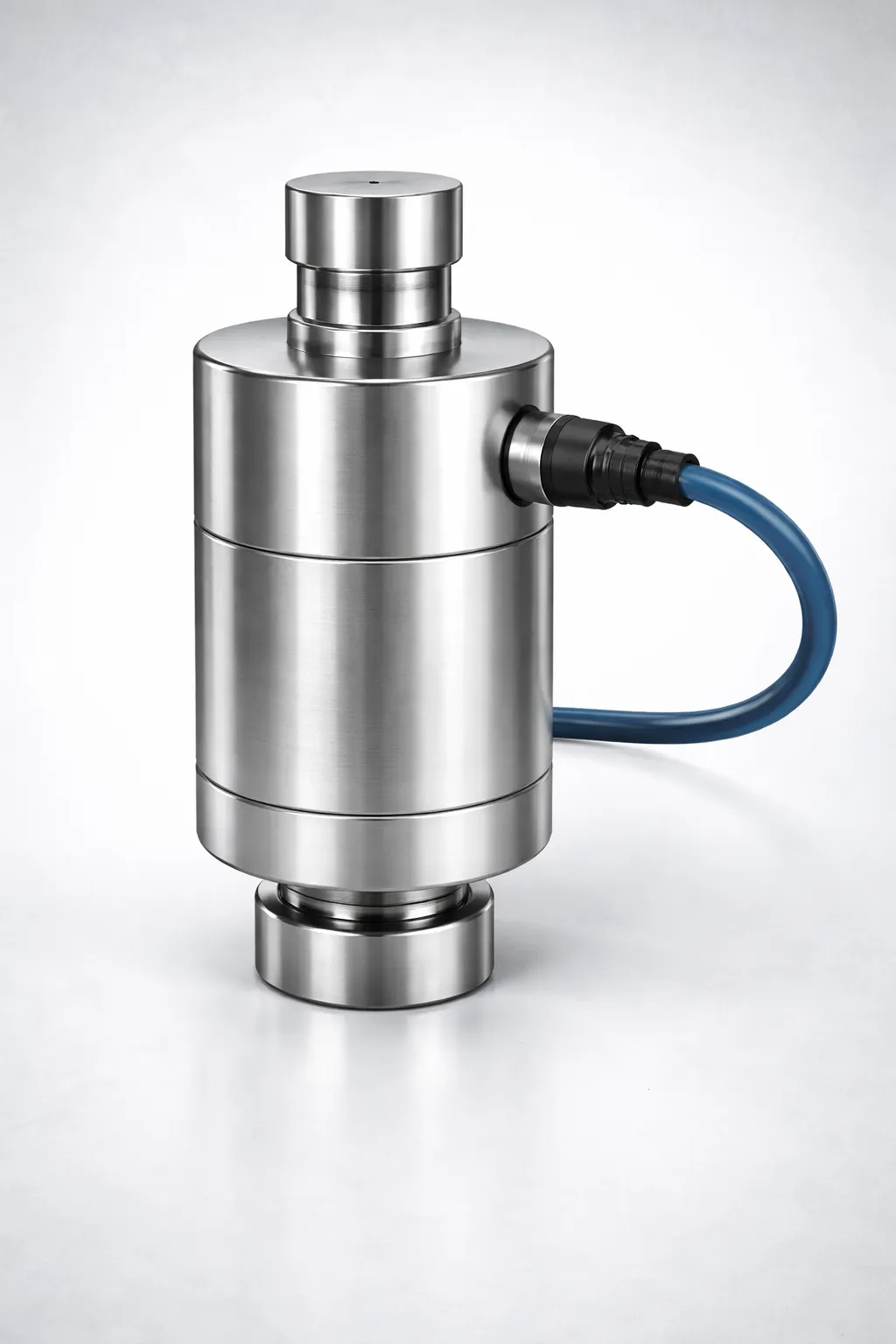
Compression Load Cell
High-Capacity Multi-Range Compression Sensor
View Details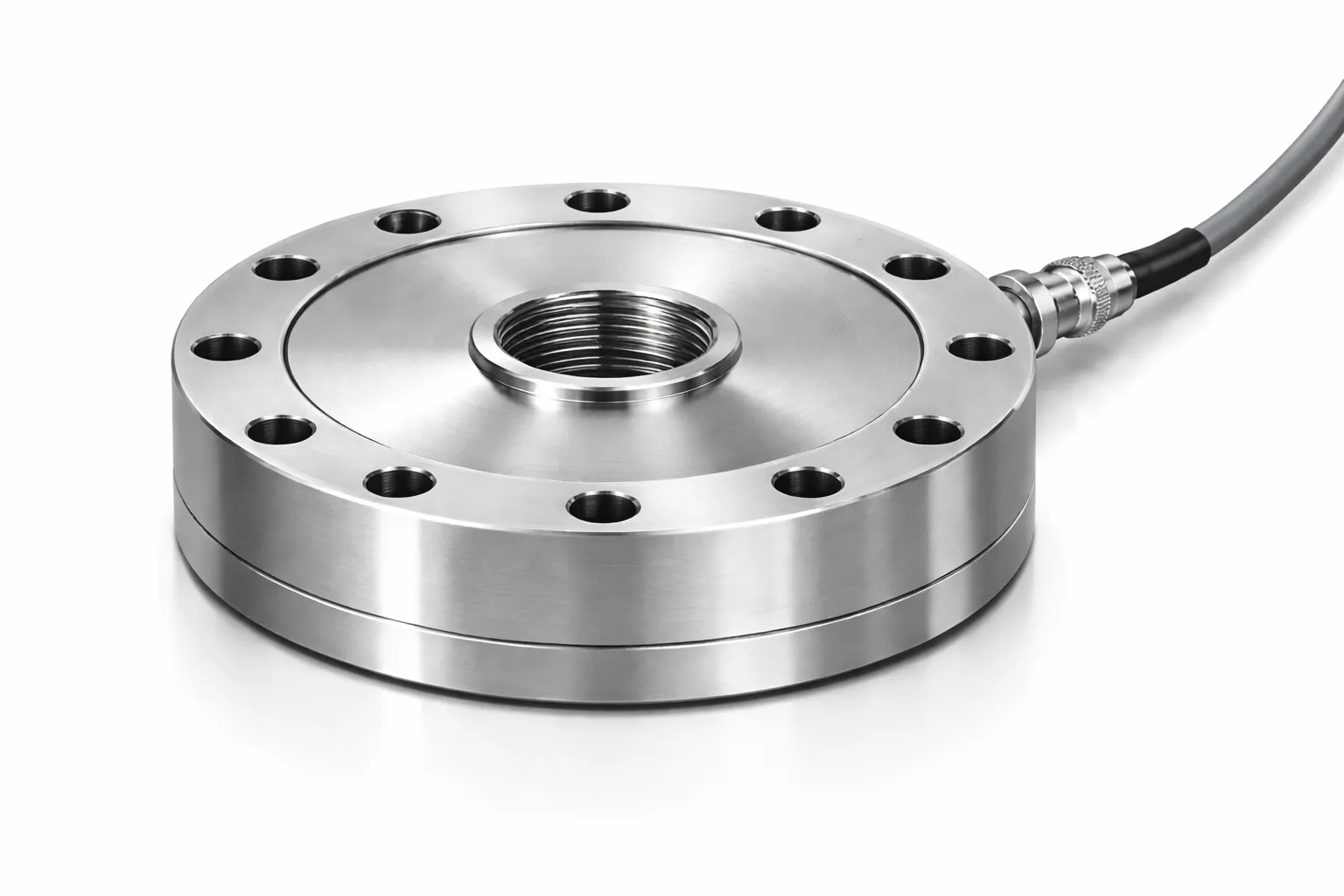
Low Profile Load Cell
Compact Precision for Laboratory & Industrial Use
View Details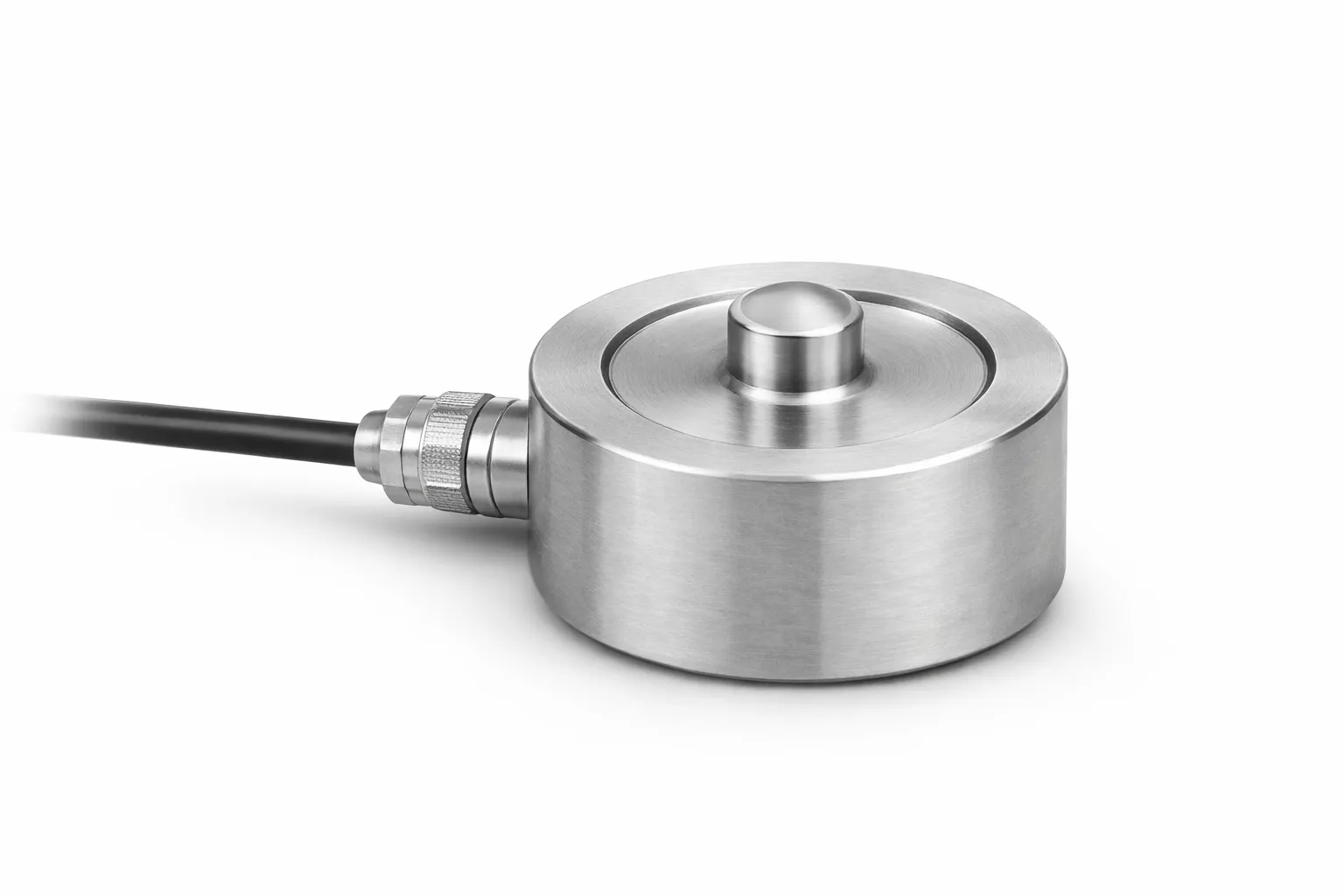
Button Load Cell
Compact High-Precision Compression Load Cell
View DetailsReady to Work Together?
Let's discuss how our precision engineering solutions can meet your requirements.
Contact Us Today