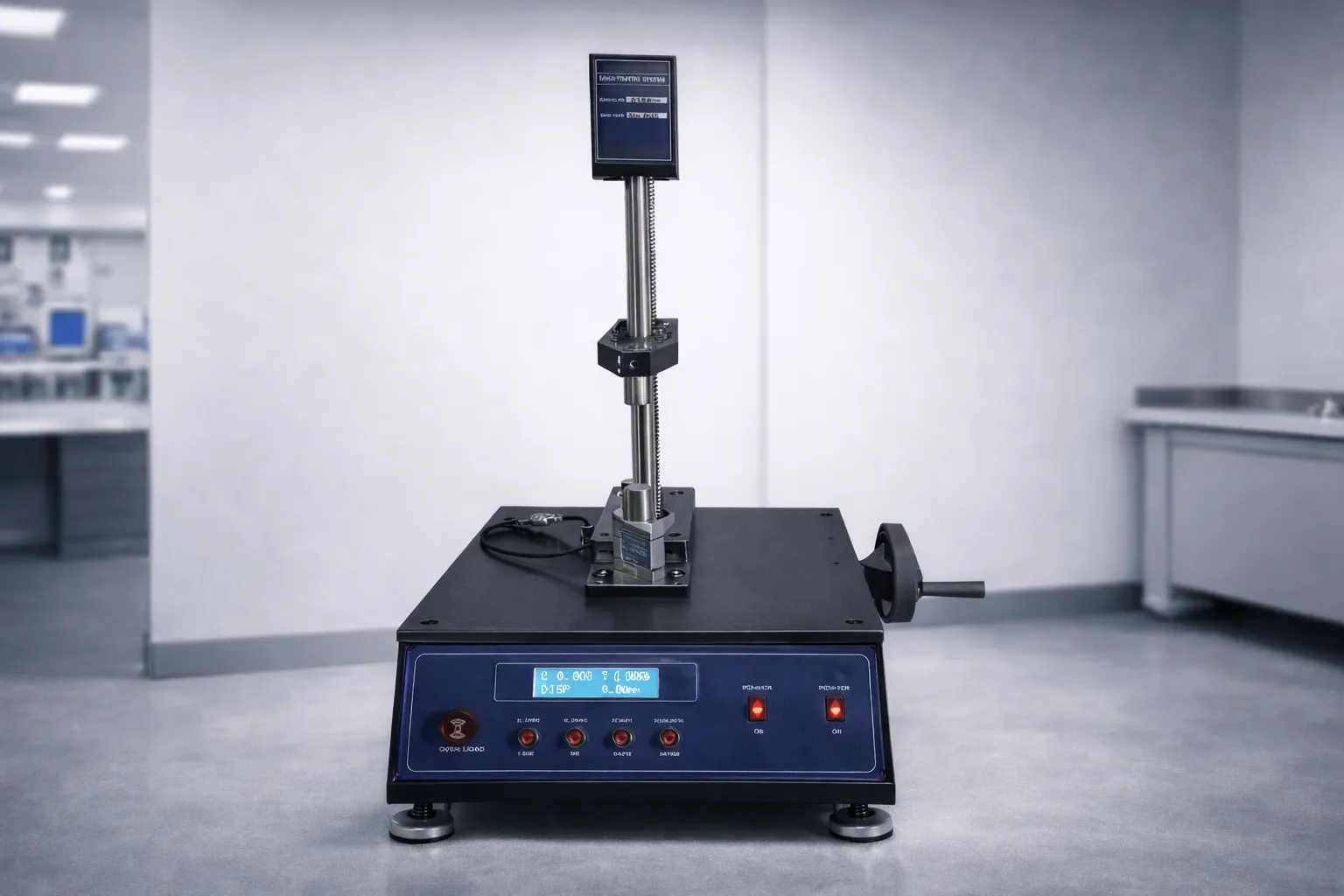
Load Cells in Universal Testing Machines
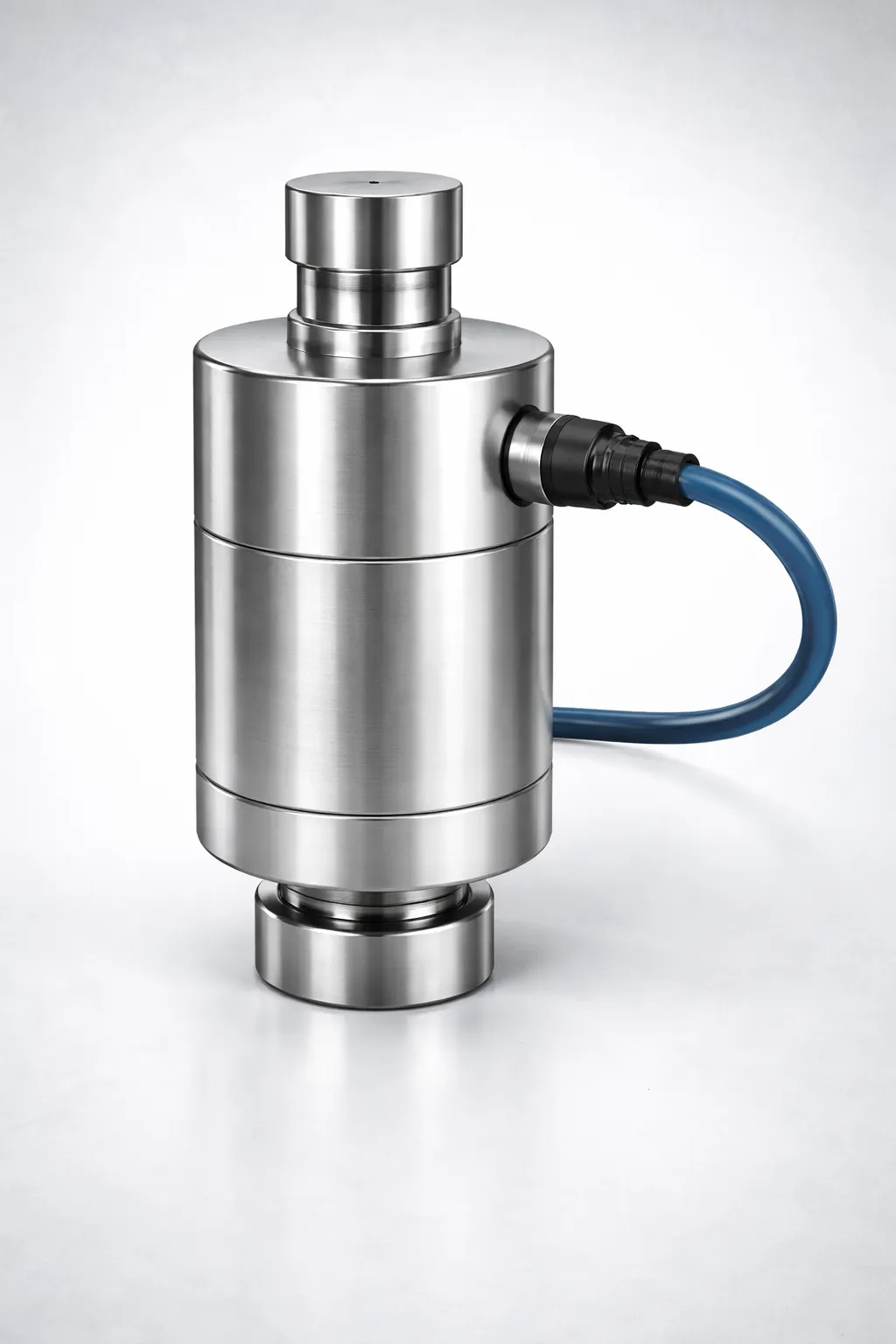
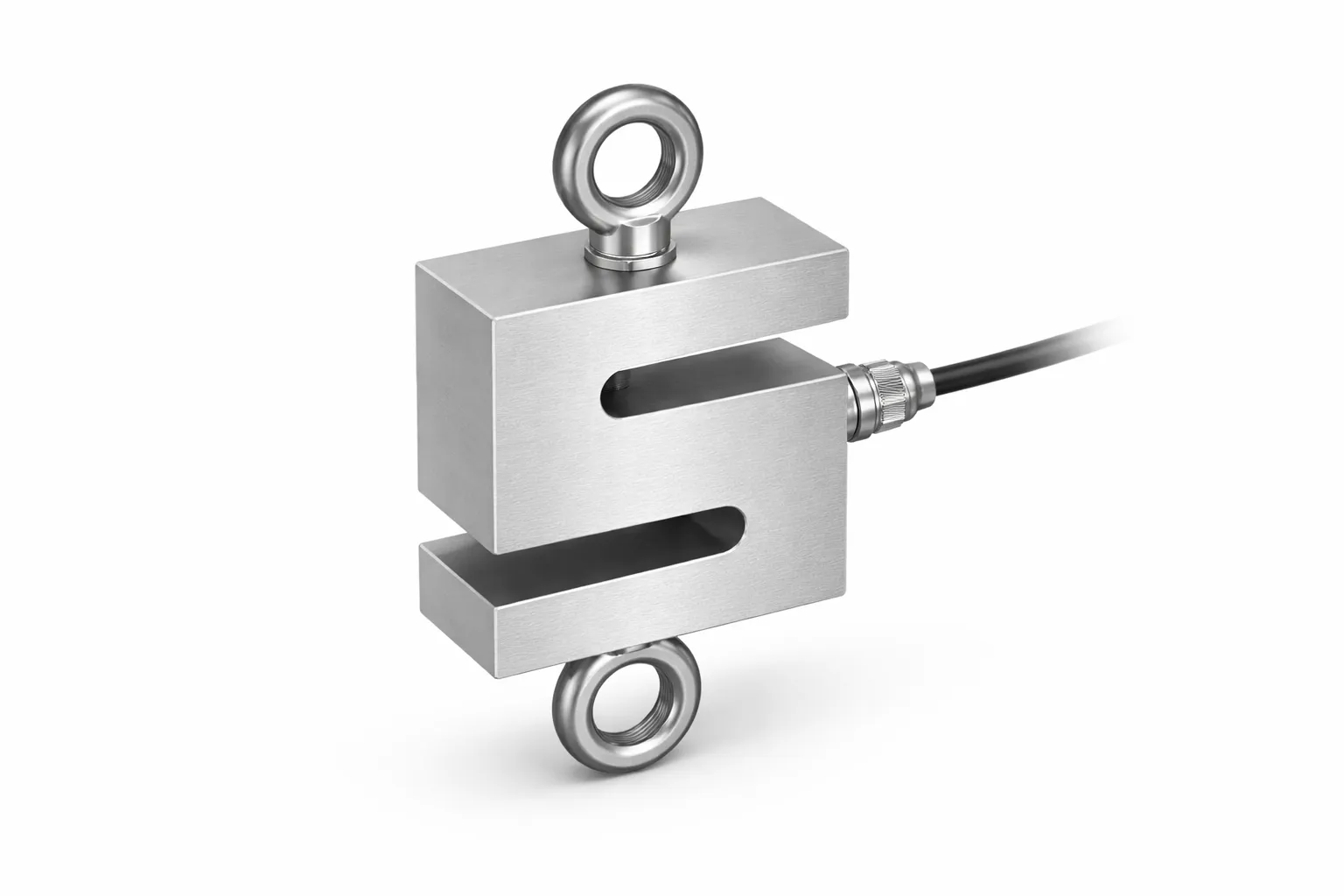
The load cell is the most critical measuring component in any Universal Testing Machine (UTM). It converts the mechanical force applied to a test specimen into an electrical signal that the machine's controller uses to display, record, and control the test.
In a UTM, the load cell must: • Measure both tension (pulling) and compression (pushing) forces • Respond quickly to changing loads during controlled-rate testing • Provide consistent accuracy across the entire force range • Withstand millions of load cycles without degradation
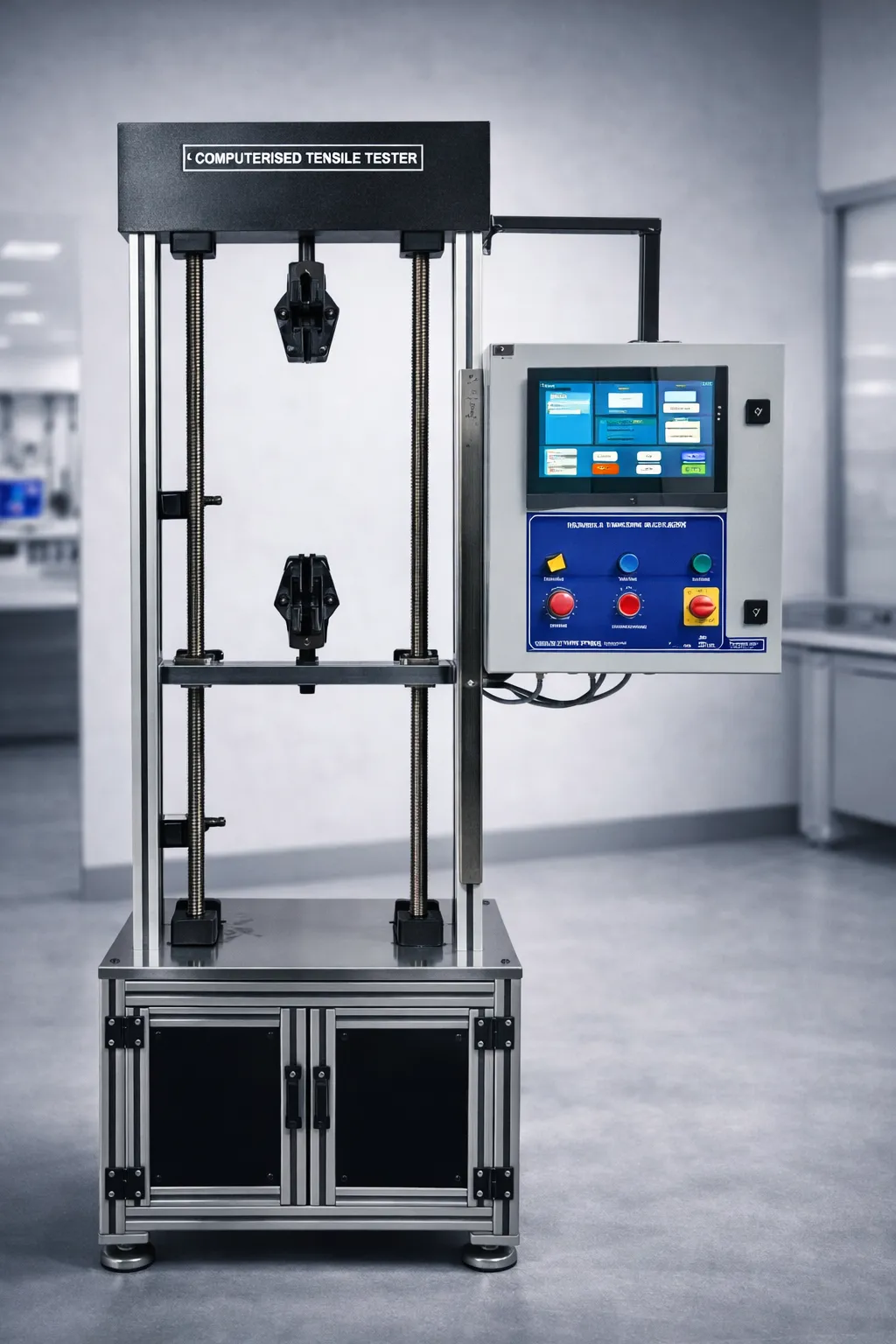
JRAGRAU integrates S-Type and compression load cells into our Computerized Tensile Testing Machines, with capacities from 5 kN to 1000 kN. Each load cell is individually calibrated and matched to the machine's signal conditioning electronics for optimal total system accuracy.
Selecting the Right Load Cell for Your Testing Machine
Capacity selection: The load cell capacity should be chosen so that your test forces fall between 20% and 80% of rated capacity. Most standards (IS 1828, ISO 7500) require machine accuracy verification from 20% to 100% of range — below 20%, the load cell's signal-to-noise ratio makes accurate measurement difficult.
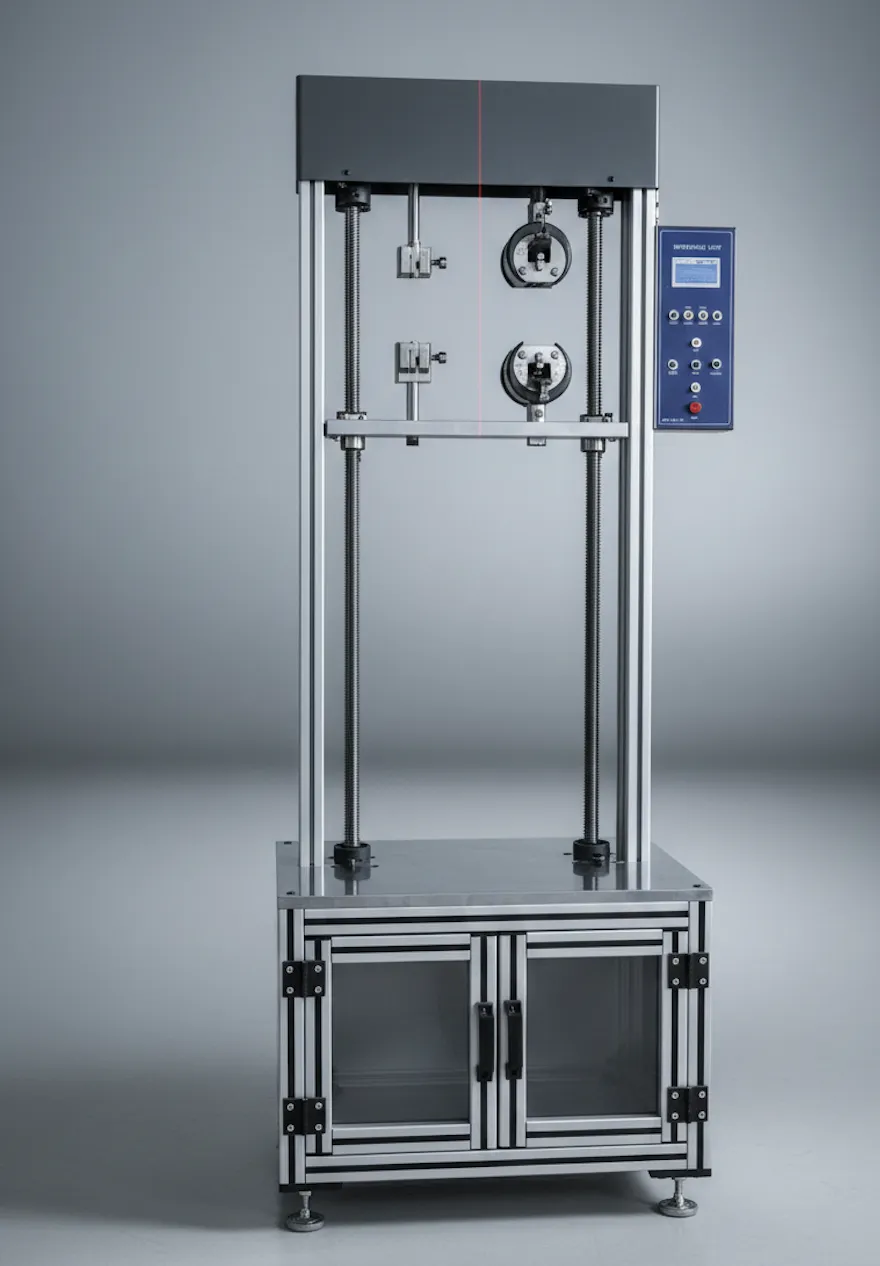
Dual-range testing: For laboratories that test both metals (high force) and plastics (low force), a dual-range system using two load cells with automatic switching provides the best accuracy across both ranges. JRAGRAU's Dual Range Tensile Testing Machine implements this architecture.
Response speed: For fatigue testing and dynamic loading, the load cell must have high natural frequency (>1 kHz) to capture rapid force changes without phase lag.
Overload protection: UTMs can generate forces that far exceed the test requirement during jog, clamping, or operator error. Load cells in testing machines should have 200-300% overload rating.
Looking for a Complete Testing Machine?
JRAGRAU manufactures UTMs, spring testers, and special purpose testing machines with integrated load cells.
Load Cells for Spring Testing
Spring testing presents unique challenges for load cell selection:
Compression springs: Require a compression load cell mounted below the test platform. The load cell must handle the rapid force increase as the spring approaches solid height.
Extension springs: Require a tension load cell (S-Type or hook-end) that can grip the spring and measure pull force.
Torsion springs: Require a torque sensor rather than a load cell, measuring angular force.
JRAGRAU manufactures both manual and computerized spring testing machines with integrated load cells optimized for spring rate measurement, free length verification, and batch testing with automated data logging.